 blog
blog
Engaging Islamic Books for Young Children: A Parent's Guide
Table of Contents
- Why Engaging Islamic Books Matter for Young Children
- Islamic Books for Kids Online: Building Your Home Library
- Books by Age Group: From Toddlers to School-Age
- How to Teach Islamic Values Through Storytelling
- Interactive Islamic Books for Toddlers and Young Learners
- Essential Topics in Children's Islamic Literature
- What Makes a Book Truly Engaging for Young Muslims
- Frequently Asked Questions
Last Updated: September 19, 2026
Why Engaging Islamic Books Matter for Young Children
Young children learn through stories that reflect their faith, identity, and values. That's what engaging Islamic books for young children accomplish.
At Rumi Bookstore, we've watched families transform their children's relationship with Islam through thoughtful literature. A child who resists formal lessons suddenly sits still for a beautifully illustrated story about Prophet Muhammad (PBUH). This is intentional storytelling that meets children where they are developmentally.
Early literacy experiences shape lifelong learning habits. For Muslim families, engaging Islamic books for young children build spiritual foundations while reinforcing that Islam is part of who they are, not separate from it.
Islamic Books for Kids Online: Building Your Home Library
Families in the Bay Area once had limited options for authentic Islamic children's literature. Today, curated selections are available worldwide through platforms that understand what Muslim parents actually need.
Building a home library means choosing books that feature Muslim protagonists, celebrate Islamic traditions authentically, and engage children at their developmental level.
Quality matters more than quantity. Look for titles with vibrant illustrations, age-appropriate language, and stories that resonate with your family's values.
Books by Age Group: From Toddlers to School-Age
Islamic Stories for Toddlers (Ages 2-4)
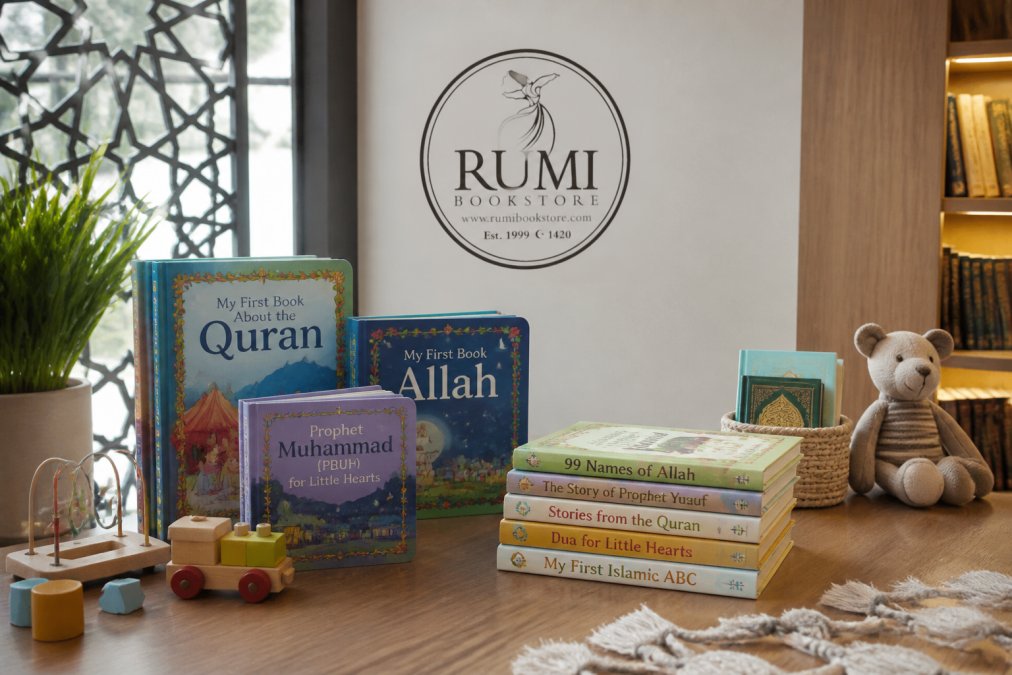
Board books with thick pages, bright colors, and simple text work best for toddlers. Islamic stories for toddlers should introduce basic concepts like Allah's creation, simple duas, and family values.
Look for board books that teach Islamic basics through concrete actions toddlers can imitate: wudu, kindness, and gratitude. The best titles feature repetitive text, rhythmic language, and illustrations that capture attention.
Sturdy construction matters because toddler books are handled frequently. Interactive elements like flaps and textures extend engagement and make reading multi-sensory.
Preschool Islamic Books (Ages 4-6)
Preschoolers can follow simple stories with a beginning, middle, and end. Engaging Islamic books for preschoolers should introduce Prophet Muhammad's (PBUH) life, Islamic values like honesty and compassion, and the basics of Salah and Ramadan.
Stories that answer their questions, Why do we pray? What is Ramadan? Who was the Prophet?, through engaging narratives rather than lectures capture preschoolers' developing minds.
Character-driven stories work exceptionally well. When children connect emotionally with characters who face challenges and make good choices, they internalize values. Look for diverse Muslim characters of different ethnicities, family structures, and abilities.
School-Age Islamic Literature (Ages 6+)
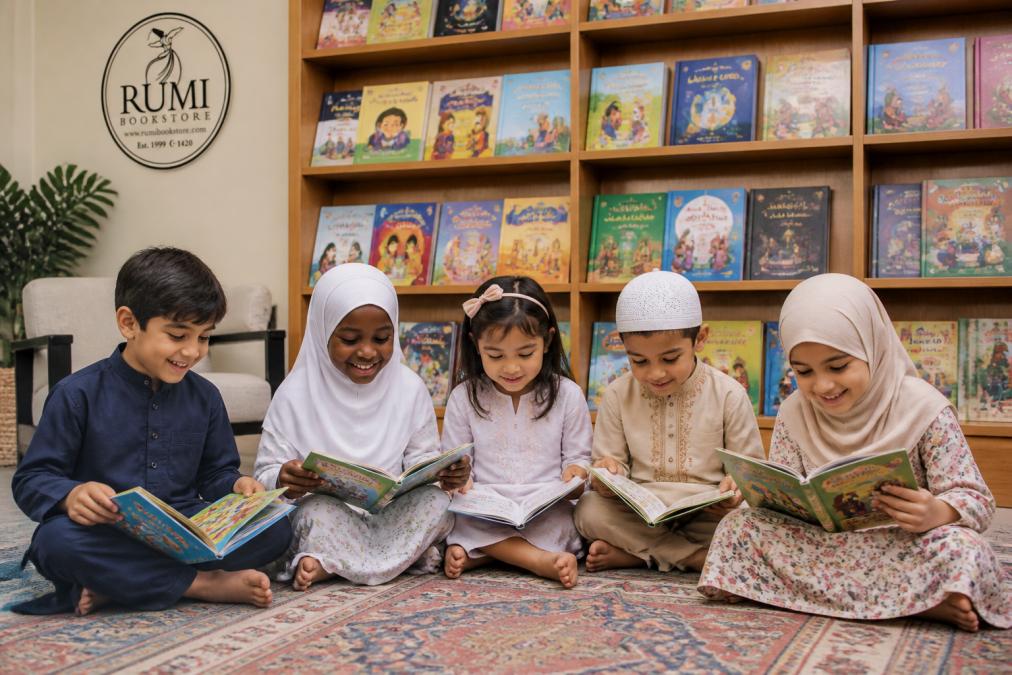
School-age children can handle longer narratives and deeper exploration of Islamic history. Engaging Islamic books for young children in this age group include chapter books, illustrated biographies of Islamic figures, and stories exploring Muslim-American experiences.
Books that respect their growing intelligence and don't oversimplify resonate most powerfully.
Series work well for this age, building sustained reading habits and creating natural progression as comprehension skills develop.
How to Teach Islamic Values Through Storytelling
Stories bypass resistance. A child might refuse a lecture about honesty but absorb the lesson through a character who learns that lying creates problems. The conversations parents have after reading determine whether a child simply enjoys a story or genuinely internalizes its values.
How Stories Naturally Embed Islamic Values
Effective Islamic storytelling weaves values naturally into plot through consequences and character growth. A story about generosity shows a character sharing and experiencing joy, not a narrator explaining why generosity matters.
Children notice when a story feels preachy and when a character's choices have realistic consequences. A child who sees a character lie and face broken trust learns more powerfully than one who hears "lying is wrong."
Guided Discussion: Turning Reading into Reflection
After reading, ask open-ended questions that invite children to think critically and connect the story to their own lives.
Sample Discussion Starters by Value:
For stories about honesty:
- "When did [character] feel most worried in this story? Why?"
- "What would you have done if you were [character]?"
- "How did [character] feel after telling the truth? Why do you think that happened?"
- "Have you ever felt like [character] did? What helped?"
For stories about kindness and compassion:
- "Who needed help in this story? How did [character] know?"
- "What was the hardest part about being kind in this story?"
- "If you were [character], what would you have done differently?"
- "When have you felt the way [character] felt at the end?"
For stories about gratitude:
- "What did [character] have that made him happy? Why?"
- "What are you grateful for, like [character] was grateful for...?"
- "How did [character] show thankfulness? How do you show thankfulness?"
- "What would [character's] day have been like without [thing he was grateful for]?"
For stories about patience:
- "What was [character] waiting for? How did waiting make him feel?"
- "What did [character] do while waiting? What do you do when you have to wait?"
- "Why was it hard for [character] to be patient? When is it hard for you?"
- "How did [character] feel when the wait was over? Was it worth it?"
Reflection Questions That Deepen Learning
Ask questions that guide children to discover lessons themselves: "What changed for [character] by the end?" "Why did [character] make that choice?" "How would the story be different if [character] had chosen differently?" These questions work across age groups, with toddlers answering simply and school-age children offering more nuanced responses.
Repetition and Deepening Understanding
Children benefit from hearing the same stories multiple times. Each reading reveals new details and deepens understanding. Embrace repeat requests.
Connecting Stories to Real Life
Help children apply lessons from stories to their own choices. When your child faces a situation that mirrors a story, reference the book: "Remember how [character] handled this?"
Create natural connections. If your child struggles with sharing and you've read a story about generosity, reference it: "That reminded me of [character] in our book. What do you think [character] would do?"
When a child spontaneously references a story to guide her own choice, the storytelling has worked.
Modeling Values Through Your Own Responses
Ask genuine questions and share your own reflections to model critical engagement with stories.
Curiosity invites engagement; judgment shuts it down.
The most effective approach combines beautiful, authentic stories with intentional conversations that help children discover lessons rather than receive them.
Interactive Islamic Books for Toddlers and Young Learners
Interactive elements like flaps, buttons, and textures hold attention and make learning multisensory. Understanding which formats serve different learning needs is crucial for parents selecting titles.
Tactile and Sensory-Rich Formats
Board books with die-cut shapes, textured pages, and movable parts engage fine motor skills while reinforcing Islamic concepts. For toddlers, the physical interaction often matters as much as the narrative.
Activity books that combine storytelling with learning tasks work well for ages 4-6. These hybrid formats help children internalize concepts through multiple modalities.
Essential Topics in Children's Islamic Literature
Prophet Muhammad (PBUH) Stories and Sunnah Practices
Stories about the Prophet's (PBUH) kindness to animals, honesty in business, and patience with difficult people show children how Islamic values translate into action.
Prayer, Wudu, and Daily Islamic Practices
Books that show characters performing wudu and Salah with joy and reverence help normalize these practices and build children's confidence.
Eid and Ramadan Celebrations
Stories about Eid preparations, family gatherings, and gift-giving create anticipation and deepen children's connection to these celebrations.
Character Building and Moral Values (Akhlaq)
Books that explore virtues like patience, gratitude, honesty, and compassion teach children what good character looks like in practice.
What Makes a Book Truly Engaging for Young Muslims
Emotional resonance creates lasting impact. Books that explore feelings, fear, joy, sadness, excitement, help children understand that their emotions are valid and shared. A character who feels nervous about starting school or anxious about change validates a child's own feelings.
Frequently Asked Questions
What are some good Islamic books for young children?
Look for engaging Islamic books that combine colorful illustrations with age-appropriate stories about Prophet Muhammad (PBUH), Quranic lessons, and character development. Books featuring Muslim protagonists, Sunnah practices, and values-based storytelling help children connect with their faith. Interactive and educational activity books work especially well for toddlers and preschoolers. Rumi Bookstore offers a curated selection of authentic Islamic literature designed specifically for young learners at different developmental stages.
How can I choose age-appropriate Islamic books for my toddler?
Select books based on your child's age and reading level. For ages 2-4, choose board books with simple text, bright illustrations, and short stories about daily practices like Salah and Wudu. For ages 4-6, introduce picture books with more detailed narratives about Islamic values and Prophetic biography. For ages 6 and up, include chapter books with deeper Quranic lessons and Muslim-American experiences. Always check that illustrations reflect diverse representation and that content aligns with your family's Islamic teaching approach.
Are there interactive Islamic books for young children?
Yes, many publishers now offer interactive and hybrid books that combine traditional reading with activities, lift-the-flap designs, and engagement tools. These books help develop literacy while reinforcing Islamic concepts like gratitude, kindness, and community values. Some include discussion guides for parents, making them excellent for spiritual growth conversations. Interactive formats are particularly effective for neurodivergent learners and children who benefit from multi-sensory learning experiences.
How do I know if an Islamic book is authentic and reliable?
Choose books from trusted publishers and retailers who specialize in Islamic literature and work directly with scholars. Check that authors have Islamic credentials and that content aligns with mainstream Islamic teaching on Quranic interpretation and Prophetic biography. Look for books that cite their sources and present Islam accurately without cultural stereotypes. Established retailers like Rumi Bookstore, serving the Muslim community since 1999, carefully curate selections to ensure authenticity and quality—a name you can trust for your family's Islamic education.