 blog
blog
High Quality Prayer Rugs for Sale: A Buyer's Guide
Our Table of Contents
- What Makes a High Quality Prayer Rug
- Types of Prayer Rug Materials and Their Benefits
- Traditional Designs and Cultural Symbolism
- Travel-Friendly and Portable Prayer Mats
- Where to Buy Prayer Mats You Can Trust
- How to Clean a Prayer Rug and Maintain Its Quality
- Sustainability and Ethical Sourcing in Prayer Rug Production
- Frequently Asked Questions
Last Updated: September 18, 2026
What Makes a High Quality Prayer Rug
Our prayer rugs are mostly made in Turkey and Saudi Arabia. High quality prayer rugs are more than just decorative mats. It's a foundation for your spiritual practice, designed to provide comfort, durability, and authentic craftsmanship. The difference between a quality prayer rug and a basic mat comes down to materials, construction, and attention to detail.
A true high quality prayer rug combines several key elements: premium fabric that withstands repeated use, proper cushioning for joint support during salah, a non-slip backing to keep the mat stable on any surface, and traditional or contemporary designs that reflect Islamic artistry.
The best prayer rugs feature tightly woven fibers that resist fraying and maintain their shape through years of daily use. They provide adequate padding without feeling overly soft or unstable. The backing prevents slipping on hardwood or tile floors, which is essential for maintaining proper posture during prayer. Many people overlook the importance of a quality backing, it's the difference between a mat that stays in place and one that shifts beneath you.
Types of Prayer Rug Materials and Their Benefits
Prayer rug materials dramatically affect comfort, durability, and maintenance requirements. Understanding the differences helps you choose a rug that matches your lifestyle and spiritual needs.
Wool Prayer Rugs
Wool is a traditional choice for prayer rugs, prized for its natural resilience and warmth. Wool fibers naturally resist wrinkles and maintain their shape through repeated folding and unfolding. This makes wool prayer rugs ideal for people who travel or store their mats regularly.
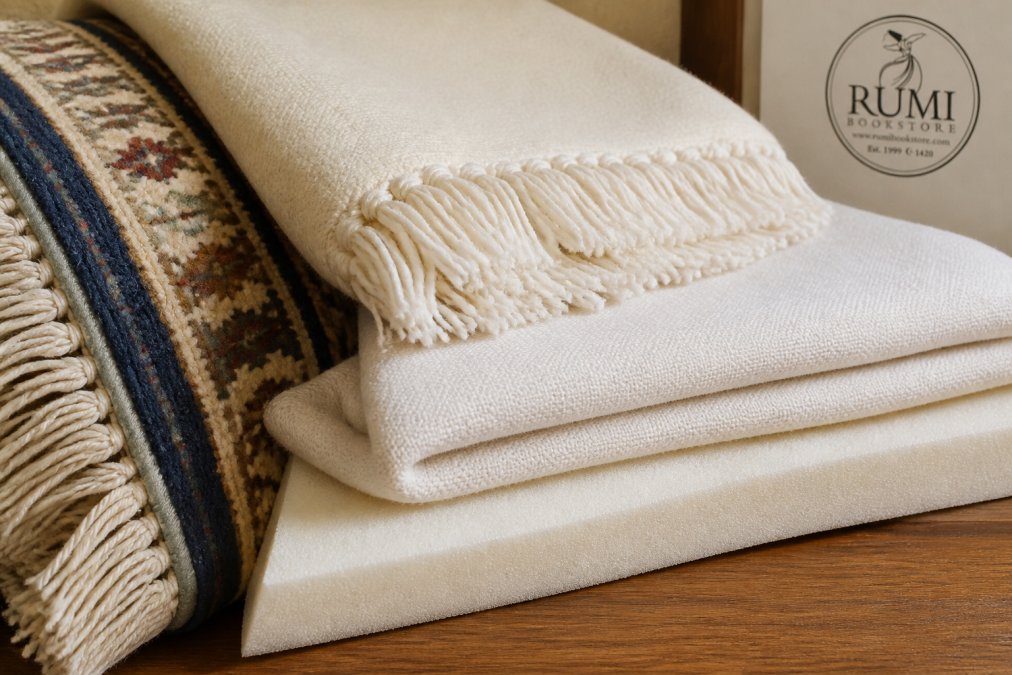
Wool also provides natural insulation, keeping you comfortable on cold floors. The fiber's natural oils create a soft, plush surface that feels pleasant against skin. However, wool requires gentle care, hand washing in cool water preserves the fibers better than machine washing. A wool prayer rug typically lasts longer than cotton or synthetic alternatives when properly maintained.
The density of wool matters significantly. Hand-woven wool rugs with high knot counts offer superior durability compared to machine-made versions. Look for rugs where the backing is visible only when you lift the edges, this indicates a tight weave that will resist wear.
Silk and Cotton Blends
Silk-touch velvet and cotton blends offer a luxurious feel with practical benefits. These materials provide a smooth, comfortable surface while remaining relatively easy to clean. Silk blends catch light beautifully, making the rug's colors and patterns appear vibrant and rich.
Cotton provides breathability and helps regulate temperature during prayer. Blended fabrics combine cotton's practicality with silk's elegance, creating a middle ground between traditional wool and modern synthetics. Many contemporary prayer rugs use cotton-dominant blends for their balance of comfort and maintenance ease.
Machine-washable cotton blends appeal to busy families and travelers. These rugs dry quickly and require less specialized care than wool.
Orthopedic Foam and Cushioned Options
Orthopedic foam layers address a genuine health need during extended prayer. The cushioned layer reduces pressure on knees, ankles, and the lower back, areas that bear significant weight during sujud (prostration). For people with joint sensitivity or arthritis, a padded prayer rug transforms the experience from uncomfortable to sustainable.
The thickest cushioned prayer rugs provide maximum joint support. A quality orthopedic rug typically features 1-2 inches of foam beneath the fabric surface. This thickness absorbs impact without feeling unstable or wobbly. The foam should be dense enough to maintain its shape after months of use, cheap foam compresses permanently, losing its support value.
Many modern prayer rugs combine traditional fabrics with orthopedic backing. A wool or cotton surface paired with foam cushioning gives you the best of both approaches: authentic aesthetics with contemporary comfort. This hybrid design has become increasingly popular among people seeking durability without sacrificing joint protection.
Traditional Designs and Cultural Symbolism
Prayer rug patterns carry deep cultural and religious significance. Traditional geometric designs, intricate weaving patterns, and regional styles each tell a story about Islamic artistry and heritage.
Geometric patterns dominate Islamic design tradition, reflecting mathematical precision and spiritual order. These patterns, stars, tessellations, and interlocking shapes, represent the infinite nature of creation. Many traditional prayer rugs feature these geometric designs in the border or central field, creating visual harmony that complements the spiritual practice.
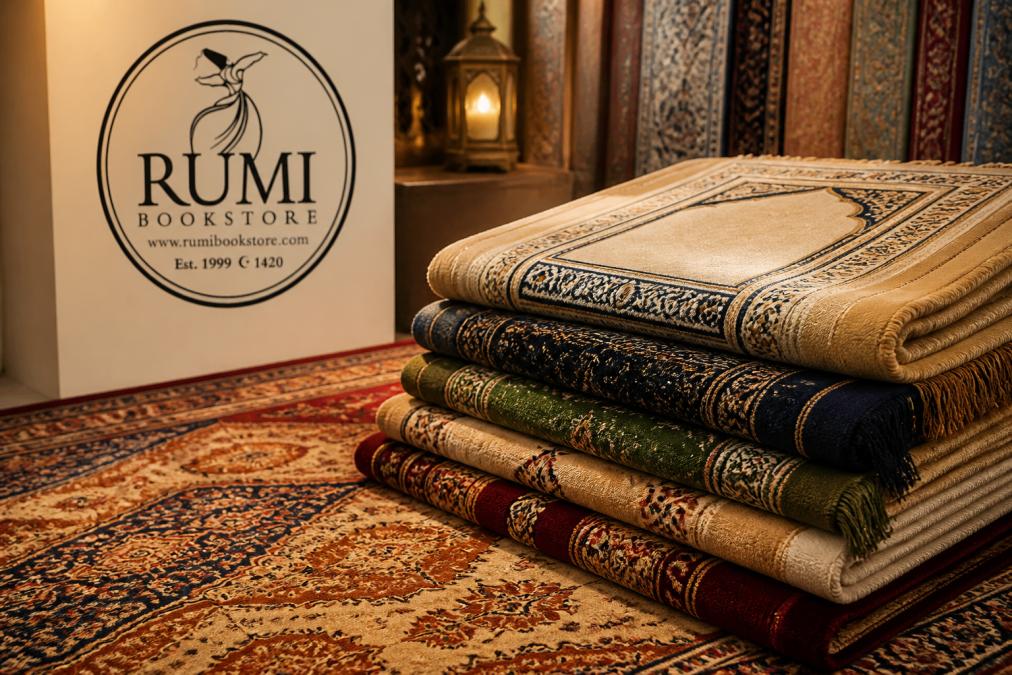
Regional patterns distinguish prayer rugs from different parts of the Islamic world. Turkish prayer rugs often feature bold, symmetrical designs with rich jewel tones. Persian rugs showcase intricate floral motifs and fine detail work. Arabic designs emphasize calligraphy and geometric elements. Understanding these regional traditions helps you choose a rug that resonates with your cultural heritage or aesthetic preference.
Modern prayer rugs blend traditional symbolism with contemporary design. Minimalist geometric patterns appeal to people who prefer understated elegance. Bold, colorful designs attract those seeking visual richness. Both approaches honor Islamic artistic traditions while meeting diverse personal preferences.
The central mihrab design, a niche-shaped element representing the prayer direction, appears on many traditional rugs. This architectural reference grounds your prayer in Islamic tradition and provides a visual focal point during salah.
Travel-Friendly and Portable Prayer Mats
Travel presents unique challenges for maintaining your prayer practice. A portable prayer mat must be lightweight, compact, and durable enough to withstand frequent packing and unpacking.
Travel-sized prayer rugs typically measure 24-36 inches in width, compared to standard rugs at 36-48 inches. The reduced size makes them easy to pack in luggage or carry in a backpack. Weight matters too, look for rugs under 2 pounds that won't add significant bulk to your travel gear.
Foldable prayer mats with carrying handles have become popular for travelers. These mats often feature a built-in bag or strap, transforming them into compact packages. The trade-off is that folds can create permanent creases over time. High-quality travel rugs use materials that resist creasing, wool and certain synthetic blends recover better than cotton.
Multi-person prayer rugs serve families or groups who pray together. These larger mats, typically 48-72 inches wide, accommodate multiple people without requiring separate rugs. They're particularly useful for families with children or for communal prayer settings. The extra size does mean reduced portability, so these work better for home use than travel.
Where to Buy Prayer Mats You Can Trust
Finding authentic, high quality prayer rugs requires knowing where to look. Rumi Bookstore has been serving the Muslim community since 1999, offering carefully curated prayer rugs alongside Islamic literature and spiritual resources. Our 27-year history reflects our commitment to authenticity and quality. Complementing these textiles with prayer bead bracelets provides a tactile focus for dhikr that deepens the meditative experience of daily worship.
When shopping for prayer rugs, look for retailers who understand Islamic traditions and can explain the significance of different designs and materials. A trustworthy seller provides detailed information about fabric composition, construction methods, and care instructions. They answer questions honestly about durability and maintenance rather than overpromising longevity.
Online retailers offer convenience and selection, but verify their credentials. Check how long they've been in business and read customer reviews that specifically mention prayer rug quality and durability. Look for sellers who source directly from artisans or established manufacturers rather than resellers of unknown products.
Physical storefronts allow you to examine the rug's texture, weight, and construction before purchasing. You can feel the fabric quality, test the non-slip backing, and assess the stitching details. Many people find this hands-on evaluation essential for making confident purchasing decisions.
Rumi Bookstore combines both approaches, our physical location in Fremont provides direct access to our collection, while our website serves customers worldwide.
How to Clean a Prayer Rug and Maintain Its Quality
Proper care extends your prayer rug's lifespan significantly. Different materials require different approaches, so understanding your rug's composition guides your cleaning routine.
Sustainability and Ethical Sourcing in Prayer Rug Production
As conscious consumers increasingly seek ethical products, understanding prayer rug sourcing becomes essential. Sustainable production practices protect both artisans and the environment while ensuring your purchase aligns with Islamic values of stewardship and justice.
Frequently Asked Questions
What makes a prayer rug high quality?
A high quality prayer rug combines durable materials, secure weaving, non-slip backing, and thoughtful design. Look for rugs made from wool, silk, or cotton blends with tight, intricate weaving that resists fraying. Premium options include orthopedic foam layers for joint support during salah. The backing should prevent slipping on various floor types, and the rug should maintain its shape and color after repeated washing. Authentic hand-woven rugs from trusted sources tend to outlast machine-made alternatives.
What materials are best for a durable prayer rug?
Wool and silk-touch velvet are among the most durable prayer rug materials, offering longevity and comfort. Wool resists wear and maintains its structure through years of use, while silk blends provide a soft, luxurious feel. Cotton is lightweight and machine-washable, making it practical for frequent cleaning. For added support, rugs with orthopedic foam cushioning protect joints during extended prayer sessions. Combination materials—such as wool with a cotton backing—balance durability with portability and ease of care.
How should I care for and clean my prayer rug?
Most high quality prayer rugs can be vacuumed regularly to remove dust and debris. For deeper cleaning, check the manufacturer's instructions, as some rugs are machine-washable while others require hand washing in cool water. Avoid harsh chemicals and bleach, which can damage delicate fibers and intricate patterns. Lay the rug flat to dry completely to prevent mildew and maintain its shape. Store in a cool, dry place away from direct sunlight to preserve colors. Proper maintenance extends the life of your rug significantly and keeps it fresh for daily salah.
How do I choose the right size prayer mat?
Prayer rug size depends on your space and personal preference. Standard sizes range from compact travel mats to larger multi-person rugs. A typical individual prayer mat is about 27 inches by 43 inches, providing enough room for proper prostration without overwhelming a bedroom or prayer space. Travel-sized versions are lighter and more portable for those who pray on the go. Measure your available space and consider whether you need a rug for home use, travel, or both. Thicker, cushioned rugs take up more space but offer superior comfort and joint support during extended prayer.